
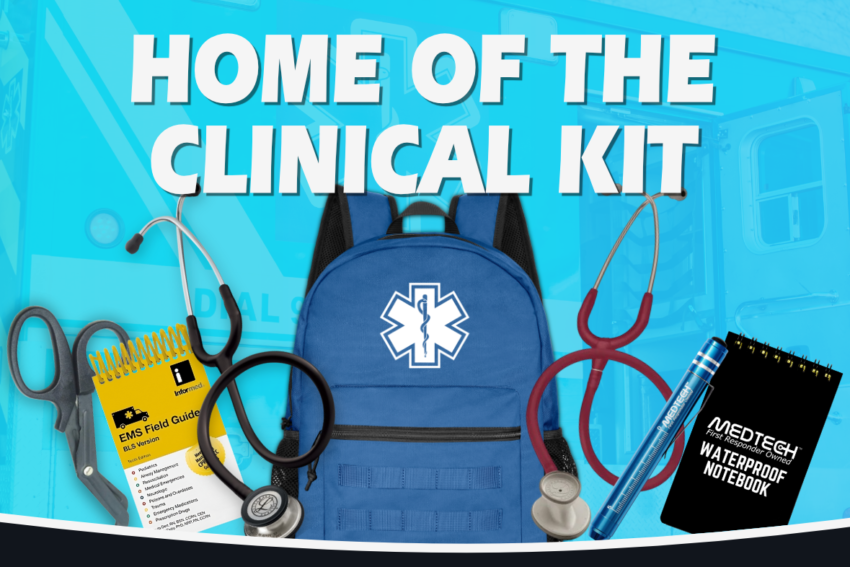
Silence settles over the practice lab as a student prepares for that first attempt at auscultation, aware that the next sound will shift learning from theory into lived experience.
The dual head stethoscope, the prestige medical stethoscope and a simple stethoscope belt clip each represent different stages in how that experience deepens over time.
For those wondering 'what do i need for emt school,' starting with reliable auscultation tools like these sets a strong foundation, as they evolve with your skills from basic practice to advanced care.
Confidence does not arrive all at once, and growth reveals itself in layers as tools evolve alongside skill. What begins as a tentative press of a diaphragm against the chest soon unfolds into a steady progression from hearing a beat to understanding what it truly signifies.
The First Time You Hear a Heartbeat
The aspiring medical student places the stethoscope against a classmate's chest, adjusting the earpieces with tentative fingers as the room hums with anticipation. Suddenly, the rhythmic thump-thump echoes through the tubing, a sound that transforms abstract anatomy lessons into a tangible reality.
In that moment, the student pauses, replaying the beat in their mind to confirm its authenticity amid the classroom's ambient noise. The clarity of the heartbeat fosters an immediate sense of wonder, urging further exploration of bodily sounds like breaths and pulses.
Learning to Trust What You Hear
With repeated sessions, the student begins to discern normal heart rhythms from irregular ones, relying on the stethoscope's amplification to build auditory discernment. Doubts arise when faint murmurs challenge initial perceptions, yet persistence turns hesitation into assurance.
Gradually, the act of listening evolves from a mechanical task to an intuitive process, where the student anticipates patterns before they fully manifest. Trust in one's hearing grows through consistent practice, reducing reliance on external confirmation.
MedTechKits: Purpose Built Tools for EMT Training
Behind every reliable medkit stands a purpose that extends beyond packaging supplies, and MedTechKits was built around that intention to support EMT students as they move from theory into hands on care.
By curating equipment that reflects what students actually use during training and rotations, MedTechKits helps connect classroom instruction with patient assessment. Each product is selected with growth in mind, ensuring that early skill development is supported by tools that encourage repetition and steady progress.
That commitment becomes especially meaningful when foundational listening skills begin to take shape, because the right equipment can either simplify the learning curve or complicate it.
MedTech Dual Head Stethoscope in Early Skill Development
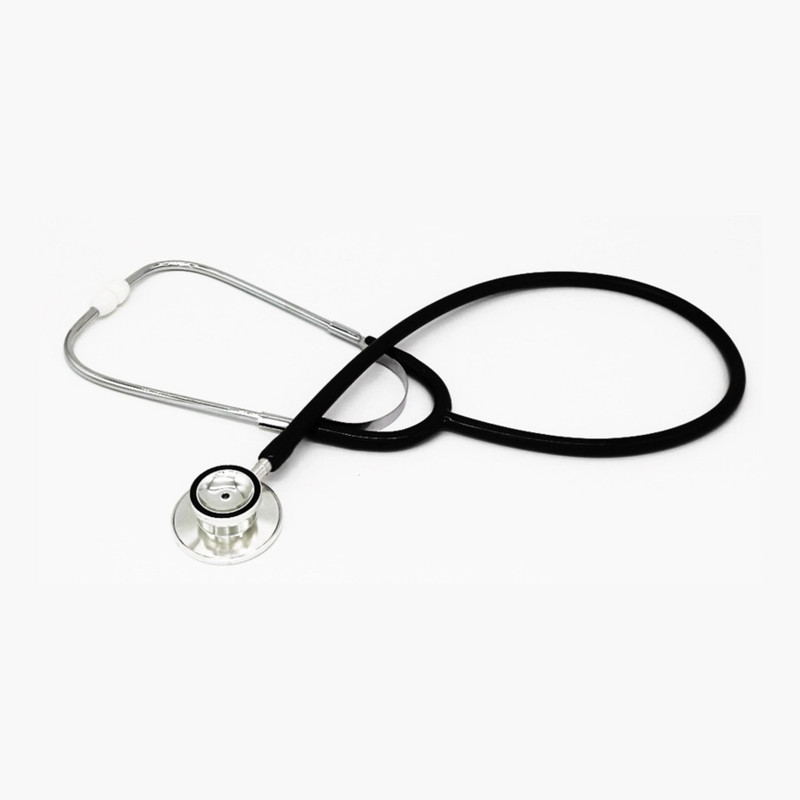
The dual head stethoscope available through MedTechKits serves as an accessible instrument for beginners, offering versatility in switching between bell and diaphragm modes to capture a range of frequencies. Its lightweight design facilitates extended practice without fatigue, ideal for classroom drills and self-study.
In group settings, this stethoscope encourages peer-to-peer teaching, where users compare findings to refine their approach. The dual functionality promotes experimentation with different pressures, revealing nuances in heart and lung assessments.
Prestige Medical Clinical Lite Stethoscope in Clinical Rotations
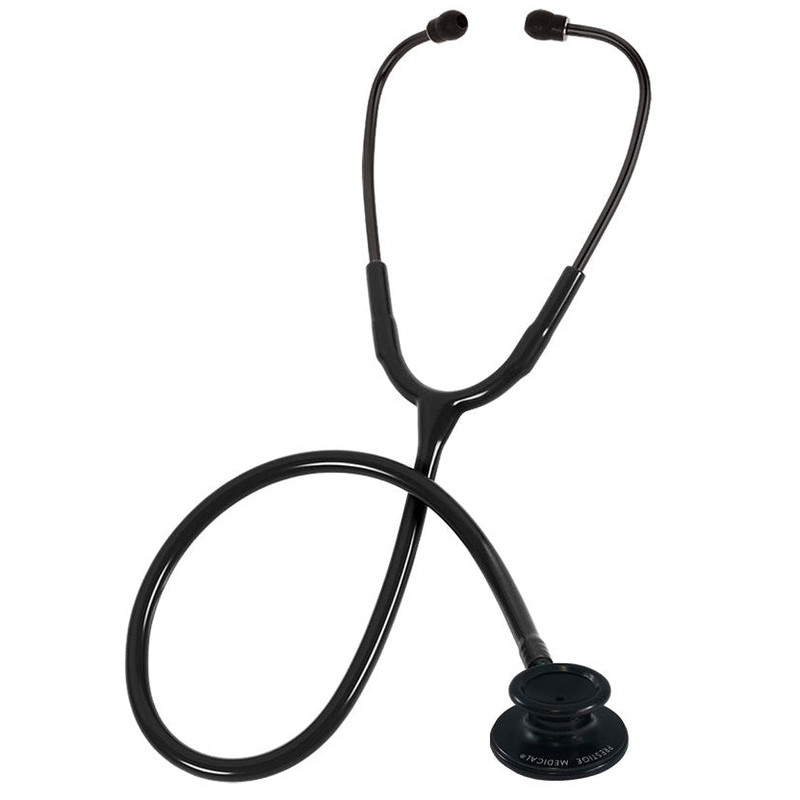
Transitioning to hospital wards, the prestige medical stethoscope from MedTechKits provides enhanced durability and acoustic precision for real-world applications. Its anodized aluminum chestpiece withstands the rigors of daily use, while the thick-walled tubing minimizes external interference.
The lifetime warranty underscores its role in sustained learning, with replaceable parts ensuring longevity through intensive shifts. Students utilize its soft eartips for comfort during long hours, maintaining focus on subtle auscultatory details.
When Subtle Differences Begin to Matter
In bustling clinical settings, distinguishing faint bruits from normal vascular sounds demands heightened sensitivity from the stethoscope. Subtleties like split heart sounds or distant rubs become critical indicators, requiring tools that deliver uncompromised clarity.
Tools such as the lifepak simulator enhance this training by allowing students to practice recognizing irregular rhythms in controlled scenarios, sharpening the ability to detect variances that require immediate intervention.
Practitioners learn to isolate these differences amid distractions, associating them with specific pathologies through repeated encounters. The emphasis on precision fosters a deeper analytical mindset, where every variance holds potential significance.
Stethoscope Belt Clip and the Habits That Shape a Professional
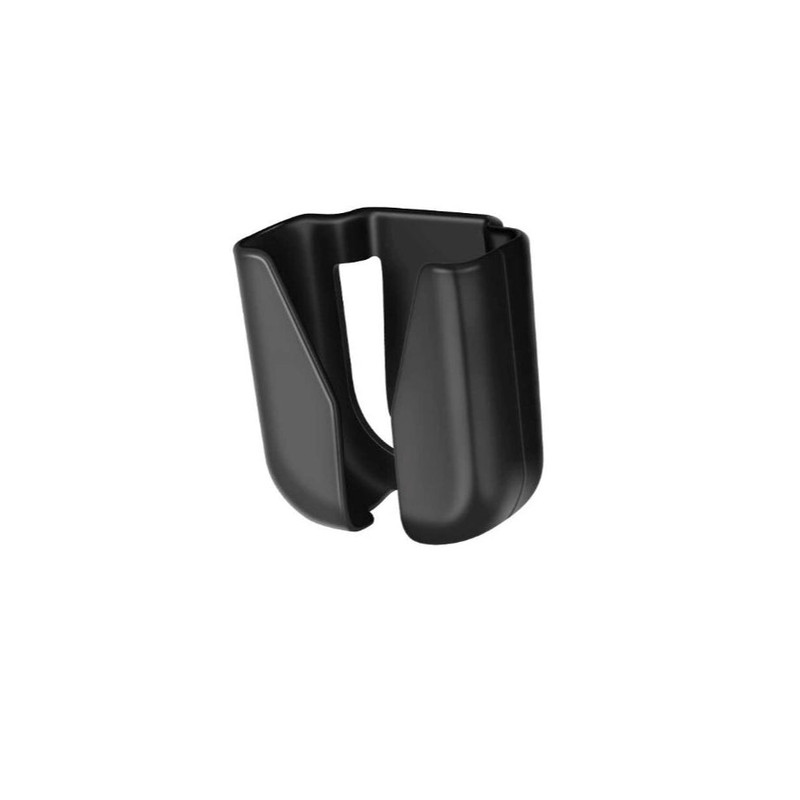
The stethoscope holder clip offers a practical solution for secure tool management, clipping effortlessly to belts or waistbands to prevent misplacement. By keeping the stethoscope readily accessible yet hygienic, it reduces the risk of contamination from neck wear.
Users develop the habit of quick retrieval, streamlining workflows during patient interactions. The sturdy design withstands daily demands, reinforcing reliability in professional conduct.
Carrying Your Tools With Purpose
With the belt clip in place, the practitioner moves through corridors with intentional efficiency, tools always at hand for immediate use. This purposeful carriage minimizes downtime, allowing seamless transitions between assessments.
The act of securing instruments purposefully builds a mindset of accountability, ensuring nothing is left to chance. Over time, this evolves into a personal ethic where tool management mirrors clinical diligence.
From Technical Skill to Clinical Judgment
Mastery of auscultation techniques merges with contextual knowledge, enabling the practitioner to interpret sounds within broader patient histories. Technical proficiency now informs holistic decisions, weighing auditory data against symptoms and tests.
Judgment sharpens through diverse cases, where patterns and subtleties guide tentative diagnoses. The reliance on reliable tools persists, but intuition increasingly takes precedence.
The Quiet Progression From Student to Provider
The transformation unfolds subtly, as the once-novice listener confidently leads patient consultations with poised authority. Early tools fade into the background, yet their foundational role lingers in refined expertise.
Providers reflect on their path, recognizing how each phase contributed to a cohesive professional identity. The progression reveals a profound competence in delivering care.
Frequently Asked Questions
Q1. What maintenance tips do EMTs recommend for the dual head stethoscope?
Regularly wipe the chestpiece and tubing with alcohol wipes after each use to prevent buildup from bodily fluids or dirt encountered on calls. Avoid submerging it in water, and store it coiled loosely to maintain tubing flexibility.
Q2. Is the prestige medical stethoscope comfortable for EMTs with sensitive ears?
Yes, the soft silicone eartips provide a gentle seal that minimizes discomfort over hours of wear, which is crucial for back-to-back emergency responses. Many EMTs customize the fit by swapping eartips if needed.
Q3. How does the Stethoscope Belt Clip improve hygiene ?
By keeping the stethoscope off your neck, it reduces contact with sweat or contaminants that EMTs often face on scenes. This setup allows for quicker sanitization between patients.
Q4. For beginner EMTs, is the dual head stethoscope better for learning blood pressure checks?
It's excellent for novices due to its bell mode, which captures low-frequency sounds essential for accurate Korotkoff sounds in BP measurements. EMT students use it extensively in certification courses for EMS practice.
Expanding Your EMS Learning Toolkit
1. Get the Right Cut at the Right Time with MedTech Trauma Shears
2. How MedTech Lighting Tools Support Smarter EMS Assessments