

Emergency medical work places responders in situations that demand clear judgment and dependable equipment. For anyone wondering what do i need for emt school, understanding the tools carried in a kit is a crucial first step.
In these moments, the items chosen become just as important as the skills used to apply them. Among these essentials, the stainless steel and the titanium coated trauma shears represent two practical options built for the realities of patient access and on-scene care.
Understanding how these shears support fieldwork offers insight into why they remain a standard part of responder equipment. Looking closely at their design and construction helps illustrate how small differences in materials and features can influence performance in demanding medical environments.
Transition from Patient Assessment to Immediate Intervention
In emergency medical situations, the shift from evaluating a patient's condition to performing life-saving actions demands precision and speed. Medical professionals rely on tools that facilitate quick access to injured areas without causing further harm.
Effective patient assessment often reveals the need for immediate removal of obstructions like clothing or bandages to administer care. Tools designed for such interventions must prioritize safety and efficiency to minimize delays.
Theoretical Foundations of Rapid Bandage Removal
The theory behind swift removal of apparel and bandages is rooted in biomechanics and material science, ensuring minimal tissue disruption. Principles of force application dictate that cutting tools should exert controlled shear to avoid jagged edges.
Building on these concepts, the integration of material properties enhances the theoretical model for emergency procedures. Theoretical models predict that optimal tools reduce the time from assessment to intervention significantly.
MedTechKits and the Evolution of the EMT Tools
Emergency care often begins with what responders carry in their medkit, and the reliability of those tools directly influences how efficiently care can be delivered.
Recognizing this reality, MedTechKits was founded with a clear purpose: to equip EMTs with practical, dependable gear designed specifically for the realities of field medicine.
The company focuses on creating tools that support the fast decision-making and adaptability required during patient care. From documentation supplies to cutting instruments and diagnostic essentials, MedTechKits designs products that integrate naturally into EMS workflows.
Clinical Utility of 7.5" Stainless Steel Trauma Shears
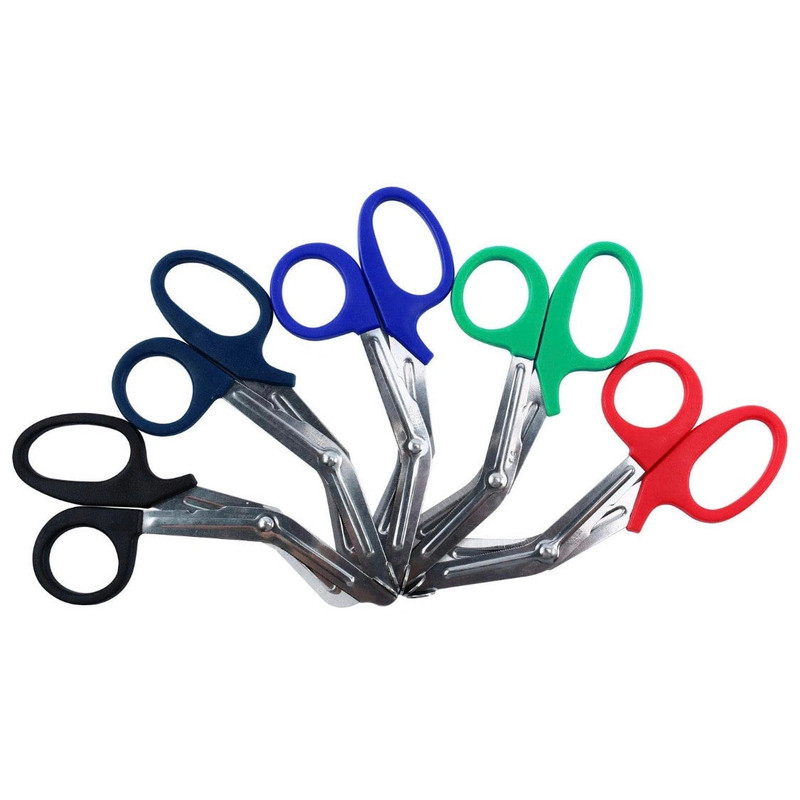
In primary care environments, the 7.5" stainless steel emt shears prove invaluable for routine yet urgent tasks like cutting through dressings. Their robust construction allows healthcare providers to perform quick interventions with confidence.
The shears' design supports seamless integration into daily medical workflows, enhancing overall patient throughput. Clinicians appreciate how these tools maintain sharpness over repeated uses in controlled environments.
Mechanical Efficiency of High-Grade Stainless Steel Edge Retention
High-grade stainless steel in trauma shears offers superior edge retention through its inherent resistance to wear and corrosion. The molecular structure of the steel allows for prolonged sharpness, even after extensive contact with tough fabrics.
Engineered alloys in the blades minimize the need for frequent sharpening, optimizing operational uptime. Mechanical tests reveal that such edges distribute force evenly, reducing user fatigue.
Ergonomic Stabilization Through Non-Slip Curvature and Radial Safety
The non-slip curvature of trauma shear handles provides ergonomic stabilization, allowing for a secure grip during intricate maneuvers. Radial safety features, such as rounded tips, prevent accidental punctures to patients or users.
By incorporating curved handles, the shears reduce strain on the hand and wrist over extended periods. Safety mechanisms ensure that the tool remains effective without compromising on precautionary measures.
Advanced Durability of Titanium Coated Trauma Shears
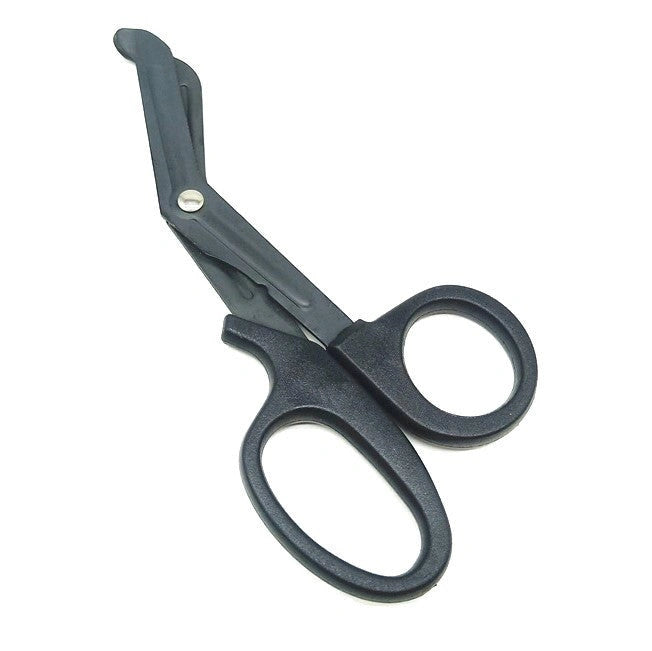
The 7.5" titanium coated trauma shears elevate durability by adding a protective layer that withstands harsh environmental conditions. This coating enhances the base stainless steel, making the tool suitable for demanding field operations.
Titanium integration allows the shears to resist scratches and impacts that might degrade lesser materials. The advanced build ensures longevity without sacrificing the core functionality of precise cutting.
The Molecular Advantage of Titanium Bonding
At the molecular level, titanium bonding creates a robust barrier against oxidation and mechanical degradation in trauma shears. This atomic adhesion strengthens the blade surface, extending operational life in unpredictable field scenarios.
Chemical properties of titanium facilitate a low-friction interface, reducing wear during repetitive use. Molecular stability ensures the tool performs consistently across diverse operational demands.
Analyzing Shear Force and Resistance in EMS Scenarios
In high-pressure scenarios, shear force in trauma shears must overcome resistance from varied materials like leather or multi-layered bandages. Analytical models show that optimal blade angles distribute force to achieve clean separations efficiently.
Resistance factors, such as fabric density, influence the shear dynamics and tool response. High-pressure environments demand tools that adapt to these variables without failure.
Comparative Anatomy of Professional Cutting Tool Selection
Professional cutting instruments vary in anatomy, from blade composition to handle ergonomics, influencing their suitability for specific tasks. Trauma shears stand out with their specialized features tailored for medical precision over general utility.
Tool anatomy dissection shows that titanium-coated variants offer advantages in longevity compared to standard stainless steel models. Selection processes weigh these anatomical differences against operational needs.
Sustaining Clinical Excellence Through High-Caliber Medical Hardware
High-caliber medical hardware, such as advanced trauma shears, sustains clinical excellence by ensuring reliability in every procedure. These emt tools embody the culmination of material science and ergonomic design for superior outcomes.
Ongoing commitment to quality hardware fosters a culture of precision and preparedness in healthcare delivery. The integration of durable, efficient instruments supports long-term professional development.
Frequently Asked Questions
Q1. What makes these trauma shears suitable for emergency fieldwork?
They cut quickly through clothing and bandages even in rough conditions. The lightweight build and reliable blades make them dependable.
Q2. Can the titanium coated shears withstand exposure to bodily fluids or harsh chemicals?
Yes, the titanium coating adds strong resistance to corrosion from blood, disinfectants and cleaning solutions. This helps them stay functional longer in messy or contaminated scenes.
Q3. Are these shears comfortable for users with smaller hands during long shifts?
Yes, the curved and non-slip handles fit well in smaller hands and reduce fatigue. They provide a secure grip even after several hours of continuous use.
Q4. What types of materials can these shears effectively cut through in a rescue operation?
They handle denim, leather, nylon straps, thick bandages, seat belt webbing, and multi-layer clothing smoothly. The blades slice through reinforced fabrics without needing excessive force.
Additional EMT Resources and Tools
1. EMT Training Kits That Make Patient Care Intuitive and Effective
2. How the MedTechKits Penlight Builds Confidence in EMS Training